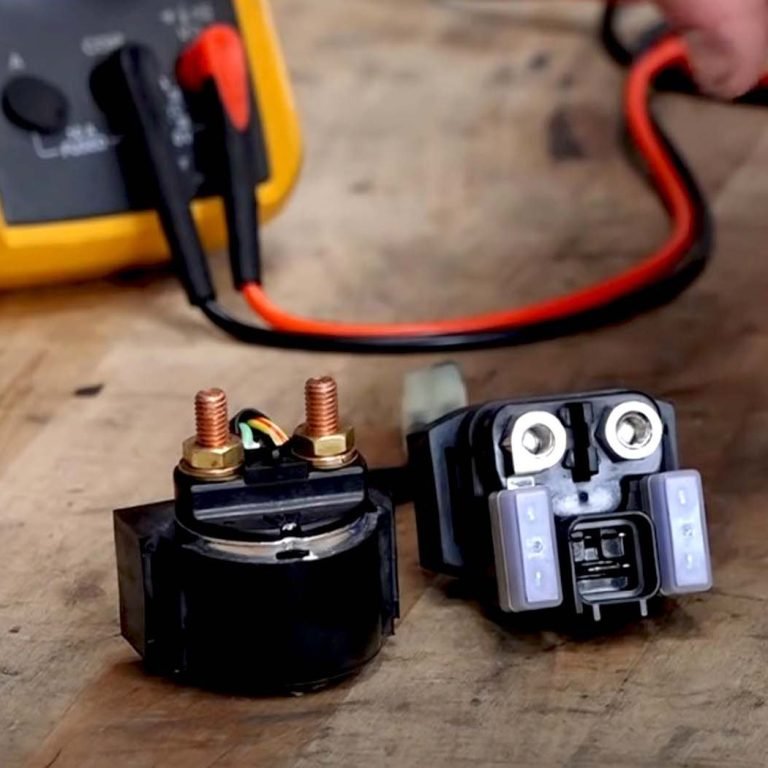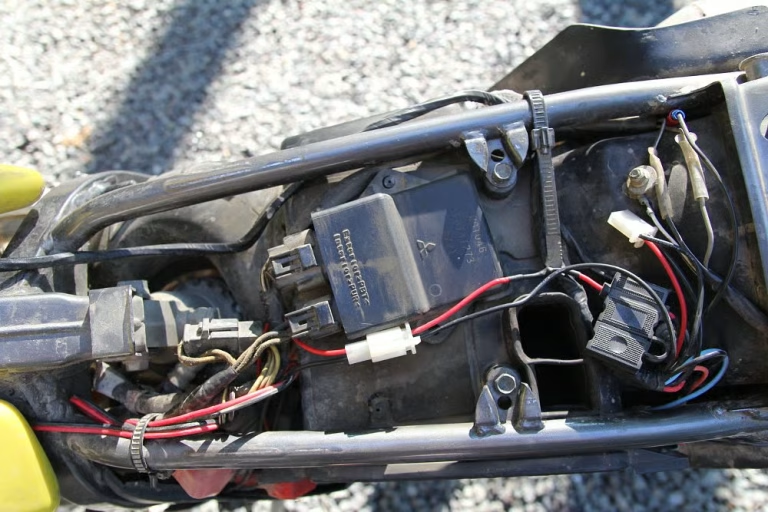
Dead Battery Again? How a Failing Regulator Rectifier is Ruining Your Motorcycle
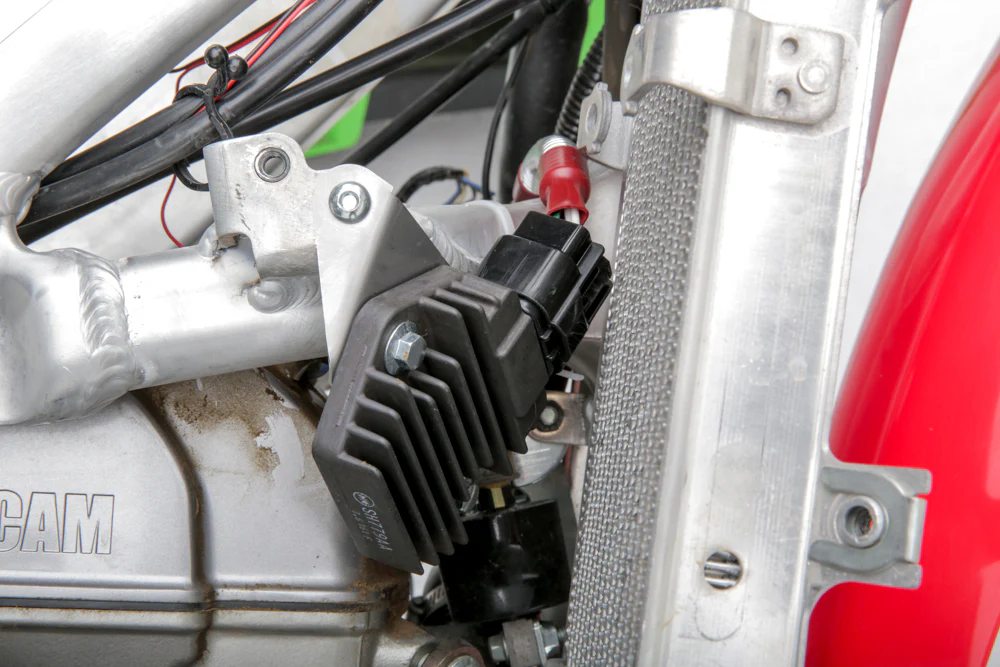
There is nothing more frustrating than spending good money on a brand-new motorcycle battery, installing it, riding for a weekend, and then walking out to your garage a week later only to find your bike completely dead again.
If your motorcycle keeps killing batteries, blowing headlight bulbs, or dying in the middle of a ride, stop buying new batteries! You are likely throwing money at the symptom rather than fixing the actual disease. The real culprit hiding under your fairings or seat is almost certainly a failing Regulator Rectifier (R/R).
As mechanics, we see this misdiagnosis all the time. Let’s break down exactly what a regulator rectifier does, how it destroys your battery when it fails, and how you can test it in five minutes with a simple multimeter.
What Does a Regulator Rectifier Actually Do?
To understand why this part is so critical, you need to understand how your motorcycle generates power.
Your bike’s stator (the alternator) generates Alternating Current (AC) as the engine spins. However, your battery and all of your electronics (lights, ECU, fuel pump) require Direct Current (DC) to operate.
The Regulator Rectifier performs two vital, life-saving jobs for your electrical system:
- The Rectifier: It converts the wild, unusable AC power from the stator into smooth, usable DC power.
- The Regulator: As you rev the engine, the stator produces more and more voltage. The regulator steps in to cap that voltage at a safe level (usually around 14.5 volts), dumping the excess energy as heat.
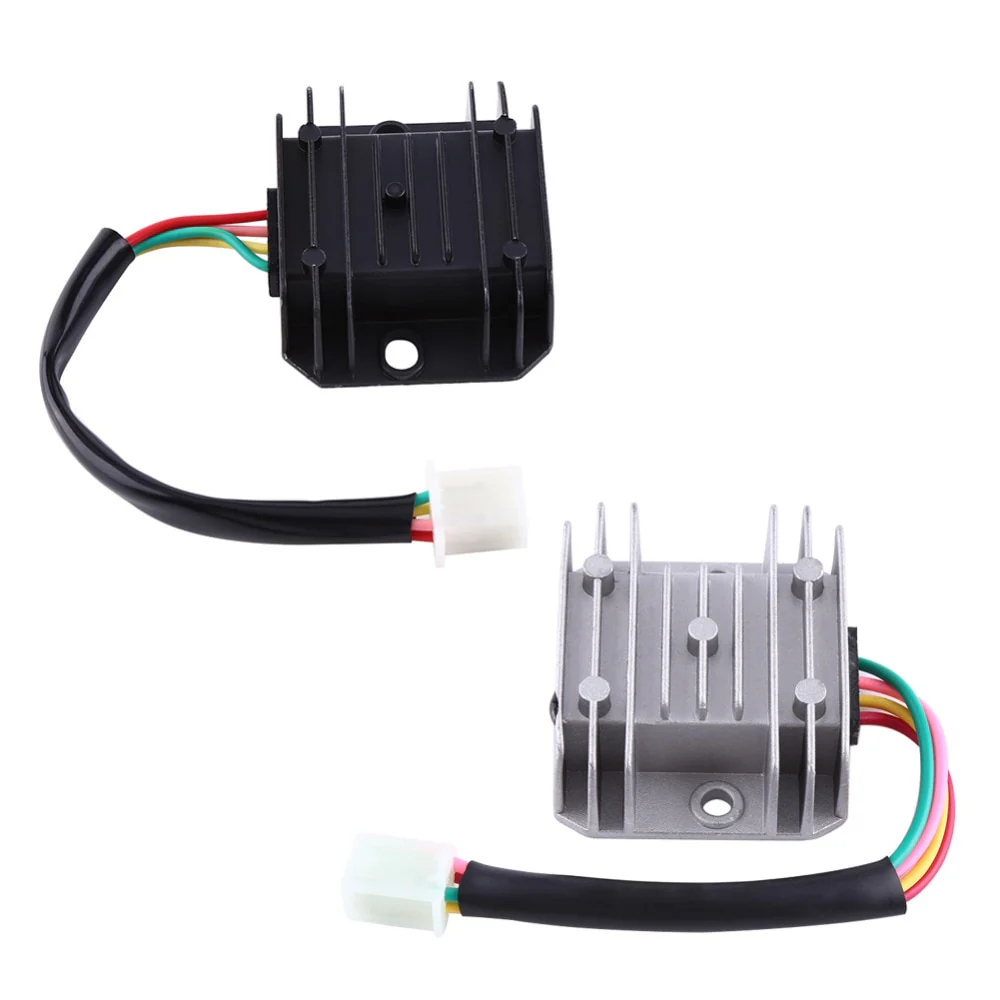
The Two Ways a Rectifier Fails (And Ruins Your Ride)
Because the regulator dumps excess electrical energy by turning it into heat, these units run incredibly hot. Over time, that extreme heat cooks the internal electrical components. When a regulator rectifier fails, it usually goes out in one of two spectacular ways:
Failure 1: The Under-Charge (The Slow Death)
The internal diodes burn out, and the R/R simply stops sending power to the battery. While you ride, your motorcycle runs entirely off the battery’s stored juice.
- The Symptoms: Your headlights slowly get dimmer, your gauges might start flickering or acting crazy, the engine begins to sputter, and eventually, the bike dies completely. You recharge the battery, and the cycle repeats.
Failure 2: The Over-Charge (The Quick Kill)
This is the dangerous one. The regulating circuit fails, and the unit allows uncontrolled, high-voltage power (sometimes 16 to 18+ volts) to flood your electrical system.
- The Symptoms: You will frequently blow headlight bulbs, dashboard lights, and fuses. Worse, this extreme voltage literally “boils” the acid inside your battery, destroying a brand-new battery in a matter of hours and potentially melting your wiring harness.
How to Test Your Charging System in 5 Minutes
You don’t need a mechanic to diagnose a bad R/R. You just need a digital multimeter.
- Set your multimeter to DC Volts (20V range).
- Check Resting Voltage: With the bike off, touch the red probe to the positive (+) battery terminal and the black probe to the negative (-). A healthy, charged battery should read between 12.4V and 12.8V.
- Start the Bike (Idle Check): Leave the probes on the battery and start the engine. At idle, the voltage should rise slightly to around 13.0V.
- The Rev Test: Slowly rev the engine up to about 4,000 – 5,000 RPM and hold it there. Watch the multimeter.
- The Good: The voltage should climb and stabilize somewhere between 13.5V and 14.5V. If it does, your charging system is perfectly healthy!
- The Bad (Under-charge): If the voltage stays at 12V or slowly drops as you rev, your R/R (or stator) is dead.
- The Ugly (Over-charge): If the voltage spikes past 15.0V, shut the engine off immediately! Your regulator is fried and is currently cooking your battery.
The Solution: Upgrade, Don’t Just Replace
If your OEM regulator rectifier died, replacing it with another cheap factory unit is just resetting the clock until it happens again. Factory R/Rs often suffer from poor placement and inadequate cooling.
To fix the problem permanently, you need an R/R designed to handle the heat.
At www.morevracing.com, our replacement Regulator Rectifiers are built differently. We use premium aluminum heat sinks with deep cooling fins for maximum heat dissipation. Many of our upgraded models utilize advanced MOSFET technology, which runs significantly cooler and provides a much more stable voltage output than older diode-style factory units.
Stop replacing dead batteries and protect your motorcycle’s electrical system today.
Are your multimeter readings doing something weird? Drop your resting, idle, and revving voltage numbers in the comments below, and we’ll help you figure out exactly what’s going on!