Signs of a Bad Motorcycle CDI Box (And How to Test It Like a Pro)
If you love wrenching on your own motorcycle, you know that mechanical issues are usually straightforward. But electrical gremlins? That’s a whole different beast. One of the most mysterious and easily overlooked components in your motorcycle’s electrical system is the CDI (Capacitor Discharge Ignition) box.
When your bike starts acting up, the CDI is rarely the first thing people check—but it’s often the culprit. In this guide, we’ll break down exactly what a CDI does, the telltale signs that yours is failing, and how you can test it yourself using a simple multimeter.
(If your test proves your CDI is dead, don’t worry. You can check out our selection of premium, OEM-grade replacement CDIs to get back on the road.)
What Exactly Does a Motorcycle CDI Do?
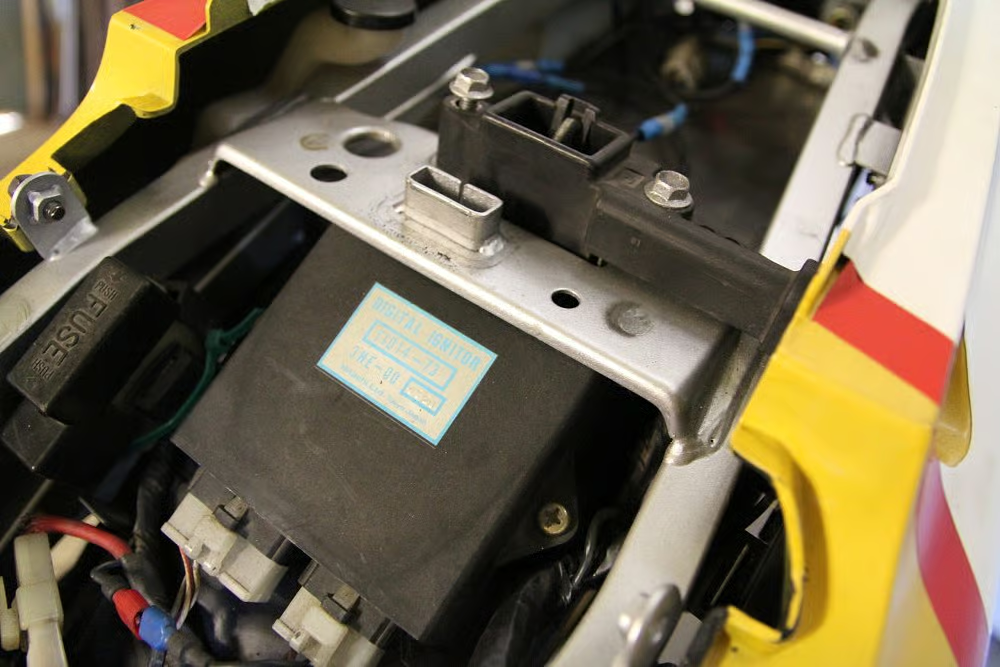
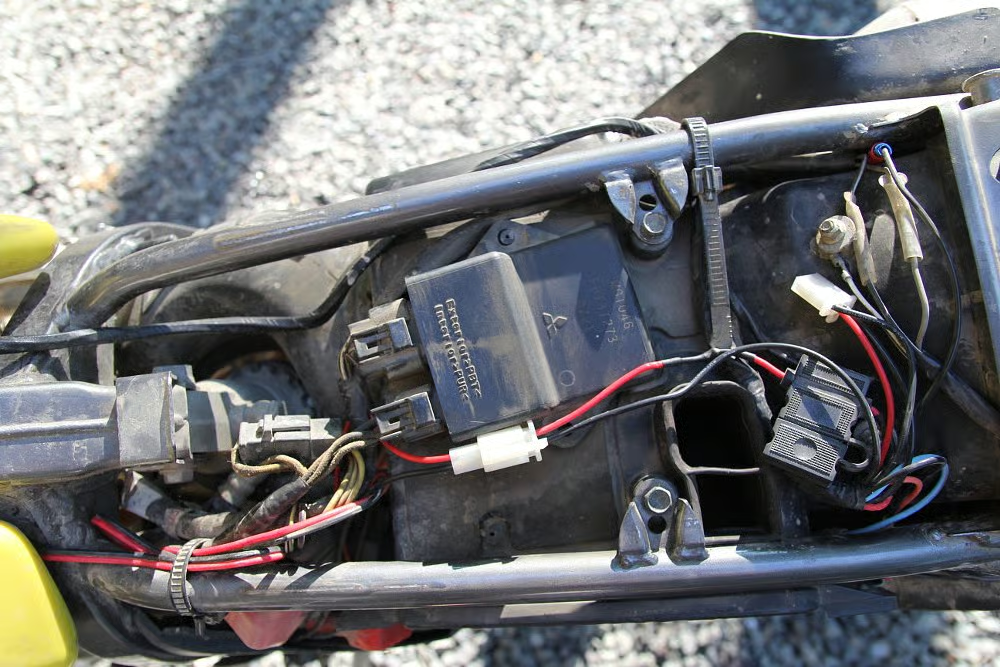
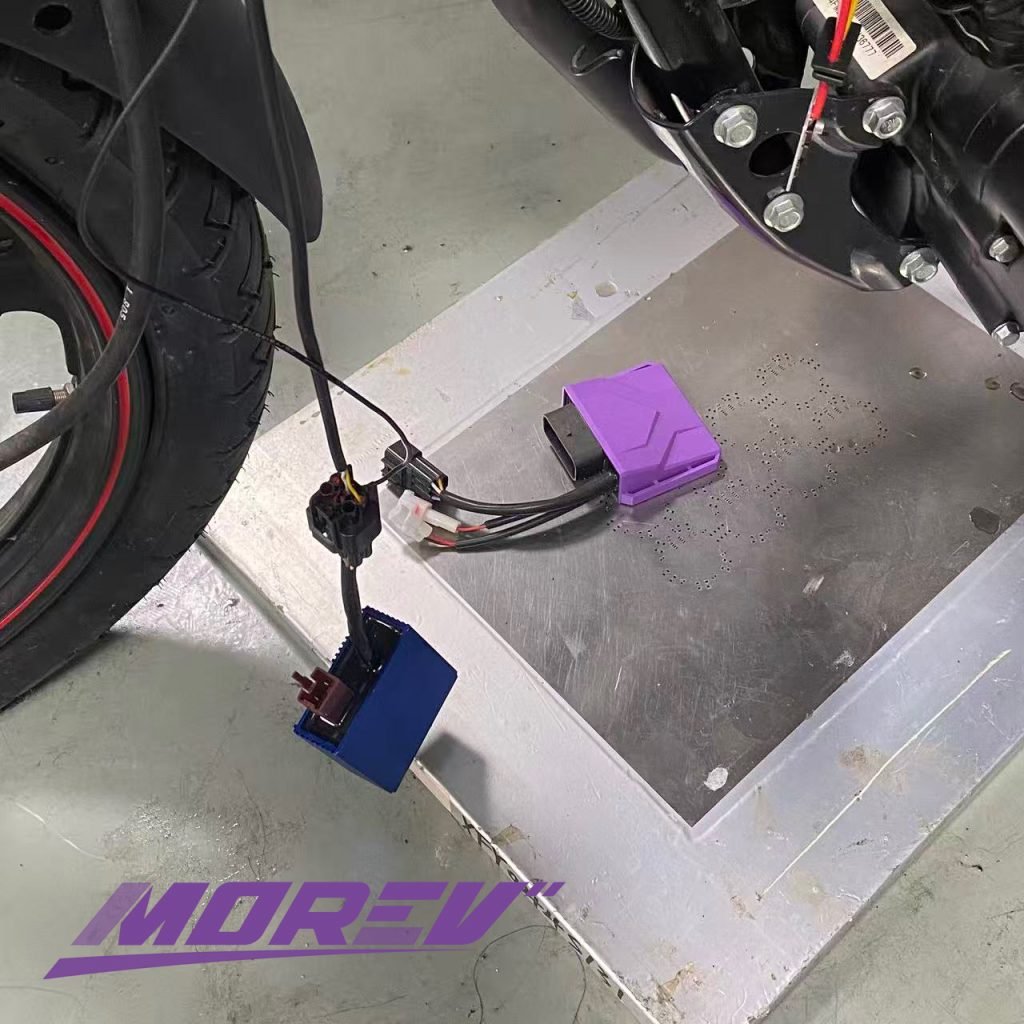
Think of the CDI box as the “brain” of your motorcycle’s ignition system. It’s typically a small black plastic or metal box tucked away under the seat or near the battery.
Its job is simple but crucial: it stores electrical energy and releases it to the ignition coil at the exact right millisecond. This creates the high-voltage spark needed to ignite the fuel-air mixture in your engine. When the CDI is healthy, your bike starts easily, idles smoothly, and revs without hesitation. When it goes bad, your riding experience goes downhill fast.
6 Common Symptoms of a Bad CDI Box
CDI failure doesn’t always happen overnight. Sometimes it’s a slow death caused by vibration, heat, or internal wear. Here are the top six signs that your CDI box is on its way out:
1. Zero Spark (The Engine Cranks but Won’t Start)
This is the most common symptom. You hit the starter button, the engine cranks over strongly, but it absolutely refuses to fire up. If you pull the spark plug, ground it against the engine block, and see no spark whatsoever—and you’ve already ruled out a dead battery, a bad stator, or a faulty ignition coil—the CDI is your prime suspect.
2. Random, Intermittent Stalling
You’re cruising down the road and the engine suddenly dies as if you hit the kill switch. A few minutes later, it starts right back up as if nothing happened. This is classic CDI behavior. As the internal circuitry heats up, micro-cracks in the soldering can expand, breaking the electrical connection. Once it cools down, the connection is temporarily restored.
3. Misfiring at High RPMs
If your bike idles fine but starts sputtering, hesitating, or hitting a “brick wall” when you try to accelerate to higher RPMs, your CDI might be failing. A weak CDI often struggles to keep up with the rapid firing rate required at high speeds, resulting in mis-timed sparks.
4. Unstable or Rough Idle
If your bike used to purr like a kitten but now the idle is bouncing up and down—or the engine stalls out at red lights—the CDI might be struggling to provide consistent spark timing at low RPMs.
5. Hard Starting (Especially When Cold)
You have a fully charged battery, a clean carburetor, and a fresh spark plug, but you still have to crank the engine forever to get it to start. A degraded CDI often fails to deliver a spark strong enough to ignite cold fuel.
6. Loud Backfiring
When the CDI timing gets thrown off, it might fire the spark plug while the exhaust valve is open. This ignites unburned fuel in your exhaust pipe, resulting in a loud gunshot-like backfire.
How to Test a Motorcycle CDI Box Like a Pro
Before you throw money at a new part, you should verify that the CDI is actually the problem. Here is how you can test it yourself.
What You Need:
- A digital multimeter (set to measure Ohms / Resistance).
- The wiring diagram or service manual specific to your motorcycle model.
Step-by-Step Testing:
- Locate and Inspect: Find the CDI (usually under the seat). Unplug it and do a visual inspection. Are the plastic connectors melted? Are the metal pins corroded or burnt? If you see physical damage, the CDI is dead. Replace it immediately.
- Find the Pinout Specs: Every motorcycle CDI has a different pin configuration (AC vs. DC, 4-pin, 5-pin, 6-pin, etc.). You must check your service manual to find the correct resistance values (measured in Ohms/Ω) between specific pins.
- Measure the Resistance: Set your multimeter to Ohms. Touch the red and black probes to the specific pin combinations outlined in your manual (for example, checking the resistance between the ground pin and the ignition coil pin).
- Read the Results:
- Within Spec: If the numbers match your manual, the CDI is likely fine. Look for problems elsewhere (stator, coil, wiring harness).
- Infinity (Open Circuit) or Zero (Short Circuit): If your multimeter reads OL (Open Loop) or 0.00 where there should be resistance, the internal circuitry of the CDI is fried.
- Wildly Out of Spec: If the manual calls for 400Ω and you are getting 45Ω, the component has degraded and needs replacement.
The Verdict: Time for a Replacement?
If your testing confirms that your CDI is dead, or if you’re dealing with the frustrating symptoms listed above and just want peace of mind, it’s time to upgrade.
Don’t settle for cheap, unbranded electronics that will leave you stranded on the side of the road next month. At www.morevracing.com, we stock high-performance, plug-and-play replacement CDI boxes designed to meet or exceed OEM specifications.
Got questions about whether you need an AC or DC CDI, or need help diagnosing a specific issue? Drop a comment below and our mechanic team will help you out!